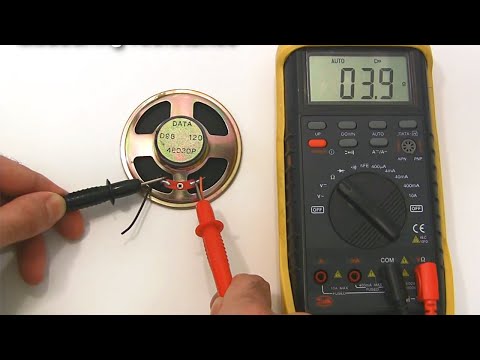
1 EEVblog #91 - $50 Multimeter Shootout - Extech EX330, Amprobe AM220, Elenco, Vichy VC99, GS Pro-50
Dave Jones compares budget multimeters around fifty dollars and settles on the Extech EX330, a common pointer for a first meter.
Topic
19 videos. Ranked by independent recommendations, not by views.
Dave Jones compares budget multimeters around fifty dollars and settles on the Extech EX330, a common pointer for a first meter.
Recommended as a first stop for anyone unsure how to use a multimeter safely, and as part of a wider electronics basics series.
A well liked introduction to using a digital multimeter, usually offered to newcomers before they buy or first use one.
Pololu's own guide to dialling in the A4988 stepper driver current limit with a multimeter and the onboard trimpot.
A multimeter comparison in the hundred dollar bracket, recommended to buyers who want to know which features matter before choosing a meter.
A Fluke sales video testing several multimeters, almost always linked at one timestamp as a caution against buying too cheap a meter.
Linked to explain measuring current with a multimeter, covering why the meter sits in series and why the red probe moves socket; one viewer rated it only adequate.
A cautionary tale about a multimeter failing on mains voltage, shared to stress why meter input protection and ratings matter.
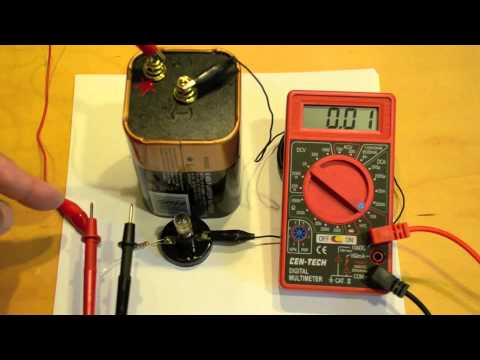
Posted repeatedly to show beginners how a multimeter must sit in series, not across the load, when reading current.
Regularly linked to explain why a meter on its current range reads low in low voltage circuits, because of its own internal resistance.
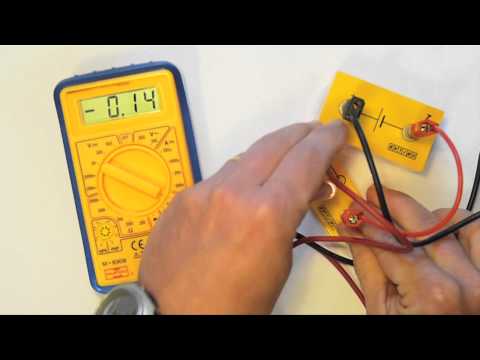
Pointed to as a basic demonstration of measuring current with a multimeter, placing the meter in series so you can read a load's actual draw.
A practical way to check a MOSFET out of circuit with a multimeter, routinely suggested to beginners trying to work out whether a transistor has failed.
Dave Jones explains the layers of input protection inside a multimeter, including HRC fuses and shielding; often cited when someone asks whether a mistake has damaged their meter.
Hidden gemShown as a quick way to check whether a bipolar transistor still works using an ordinary multimeter's resistance range.
Explains ghost voltages and how a meter's low impedance setting tells real mains voltage from induced readings, shared in safety discussions.
Jessa Jones shows diode mode measurements on an unpowered board compared against a known good one to locate faults; often cited in board repair questions.
Cited when people explain how multimeter resolution is specified, covering the difference between digit ratings and display counts.
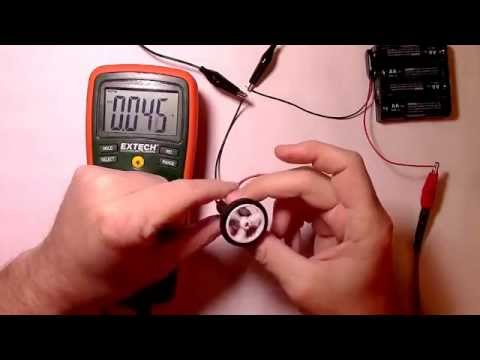
Measures a DC motor's no-load and stall current with a multimeter to estimate its draw; used by beginners sizing a motor driver.
Shows a multimeter exploding; linked as a warning about misusing unfused inputs on circuits that can deliver high fault current.