1 Tutorial: How to design a transistor circuit that controls low-power devices
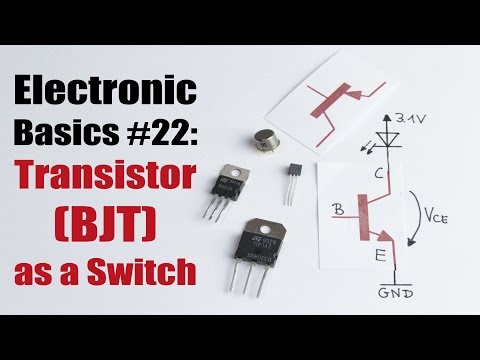
A tutorial on using a transistor to switch a load that an Arduino pin cannot drive directly, commonly suggested for relays, motors and LED strips.
Topic
20 videos. Ranked by independent recommendations, not by views.
A tutorial on using a transistor to switch a load that an Arduino pin cannot drive directly, commonly suggested for relays, motors and LED strips.
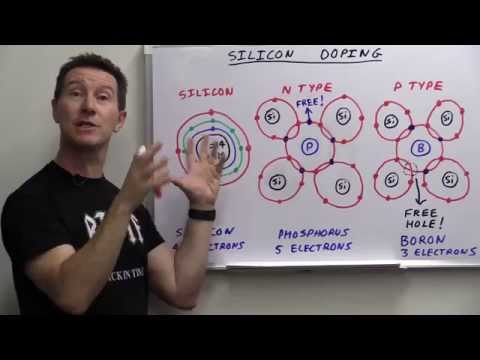
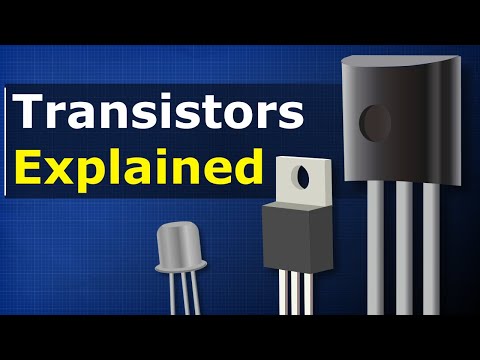
A short, slightly silly explanation of how transistors work at the semiconductor level, often linked for anyone who has not yet grasped the basics.
A W2AEW video comparing the three basic BJT amplifier configurations, recommended for understanding gain and why common emitter is the usual choice.
Explains how to bias a transistor stage so the operating point does not depend much on the device's beta, using feedback.
Part of the MAKE Presents component series, suggested to beginners who want an approachable first explanation of what a transistor does.
Ben Eater's explanation of how a bipolar transistor works, repeatedly offered as a very helpful way to grasp the basics.
A six part MOSFET tutorial series by Julian Ilett, suggested as a gentle introduction to how these transistors switch loads in Arduino and hobby circuits.
Dave Jones' EEVblog explainer on how bipolar transistors actually work at the junction level, often handed to beginners puzzled by the basic NPN picture.
Pete from SparkFun gives a relaxed overview of MOSFETs and why they suit switching loads from a microcontroller.
A GreatScott tutorial on using a bipolar transistor as a switch, recommended when a microcontroller pin needs to drive a buzzer, fan or other load.
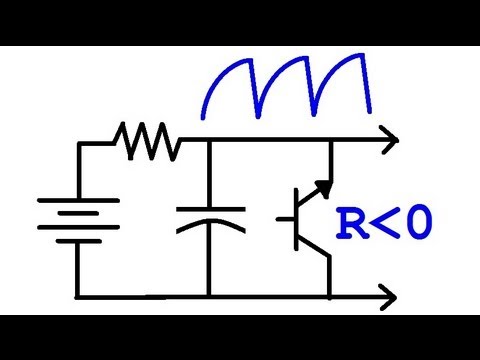
Cited to explain how a transistor driven into breakdown shows negative resistance and can be made to blink an LED as a simple oscillator.
A beginner transistor circuits video that people often cite as the source of the simple latch, delay and oscillator circuits they are trying to understand.
SparkFun's Pete gives a plain overview of how bipolar transistors work and how to use them as switches, paired with his MOSFET episode.
A transistor explainer that gets recommended as a starting point for how components work, though one questioner found its treatment of BJT saturation stopped at the surface.
Recommended as a basic introduction to switching a load with a PNP transistor, listed alongside guides on LED resistors and optocouplers.
Shared as a practical explanation of driving LEDs at constant current with a shunt regulator and a transistor instead of a resistor per LED.
Shown as a quick way to check whether a bipolar transistor still works using an ordinary multimeter's resistance range.
Entry point to Behzad Razavi's Electronics 1 and 2 lecture series, a university microelectronics course that students recommend as a companion to his textbook.
A clear tutorial on biasing a common emitter BJT amplifier and picking collector and emitter resistors, cited by learners working through bias point and resistor ratio questions.
A visual explanation of how BJT and FET transistors operate and differ, linked by a few people as a helpful way to build intuition about them.